

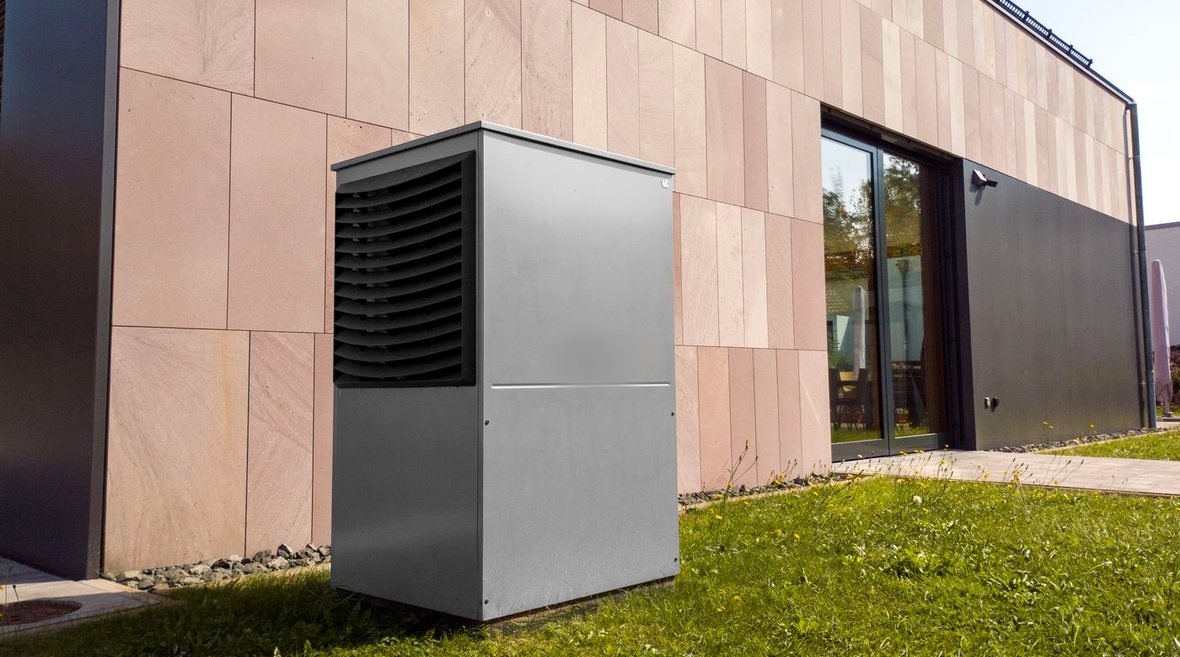

FASTR from Düsseldorf is an energy services provider for the real-estate sector: as an energy contractor since 1989, the company operates more than 1,700 heating centres as part of the critical infrastructure (KRITIS) and helps more than 260 customers, up to municipal utilities, decarbonise existing buildings. Gemma Analytics set up a GDPR-compliant AI workspace on Langdock for FASTR in two acts: first the safe workspace, then a hands-on workshop that took 15 AI champions from different departments from ad-hoc chat to their own agent.
The starting point
FASTR had no common AI tool, and as a KRITIS operator the bar for one was high from the start: it had to be GDPR-compliant, keep data on servers in the EU and never use company data to train models. On top of that there were no shared rules for what may go into an AI tool. Everyone tried something different, and without a tool that met the legal requirements, AI stayed an individual experiment instead of something the whole company could use safely.
Act 1: the safe workspace
Gemma Analytics configured Langdock step by step, so FASTR's legal requirements were met and the workspace was easy to use before anyone started. Under governance and GDPR, the model allowlist contains only models hosted in the EU, the models never learn from what FASTR employees type in, data retention was agreed with the data protection officer, usage analytics are on to measure adoption during the pilot, and the usage policy is shown as a disclaimer in every chat.
In the workspace settings, only editors and admins share workspace-wide, the agent capabilities (web search included) were decided one by one, a workspace-wide limit covers extra usage, default models are set for chat, image generation and embeddings, and the workspace carries FASTR's logo, colour and greeting. FASTR's company context goes with every prompt, an onboarding guide gives every new user their first steps right in the workspace, and an AI policy sets clear rules for safe, compliant and ethical use. Integrations are released step by step, each only after a privacy check and only for selected users and groups.
Act 2: the workshop
The pilot started with 15 AI champions from different departments. In a 2.5-hour hands-on workshop on their own laptops, they climbed the ladder rung by rung. They started with better prompts (instruction, context and role, format, example), then saved a prompt for a recurring task in a shared prompt library and added a variable. Next came personal instructions and a first skill, followed by a working folder and a project with their own documents, so the AI looks things up first and answers with a source. Finally, each champion collected recurring tasks and built their own first agent.
Workflows that chain agents, logic and systems, with a human approval where it matters, were shown live as the next stage. Because integrations are released step by step, they are the next level of the ladder. After the workshop, a usage analysis shows how the workspace is actually used.
The result
FASTR now has one AI workspace that meets its legal requirements and is in use: EU-only models, no training on company data, and 15 AI champions from different departments who have built their own first agents. Because everyone now works in one approved tool instead of private accounts, shadow AI is contained, and FASTR keeps the momentum going with lunchtime sessions in which the teams share ideas and use cases around Langdock.
Tools and setup
The workspace runs on Langdock with language models hosted in the EU. Gemma configured the workspace settings, content and integrations, set up the AI policy and ran the workshop, from better prompts to the first own agent.